Appliances are the part of a move where expensive mistakes are quietest. Nothing breaks visibly. The fridge goes on the trailer, comes off at the other end, gets plugged in, and three days later it is not cold. The damage happened in transit and nobody saw it.
The two rules that prevent most of it: a refrigerator should travel upright if at all possible, and if it must lie down, it has to stand upright for as long as it was on its side before being switched on. Everything else is detail, and the detail is below.
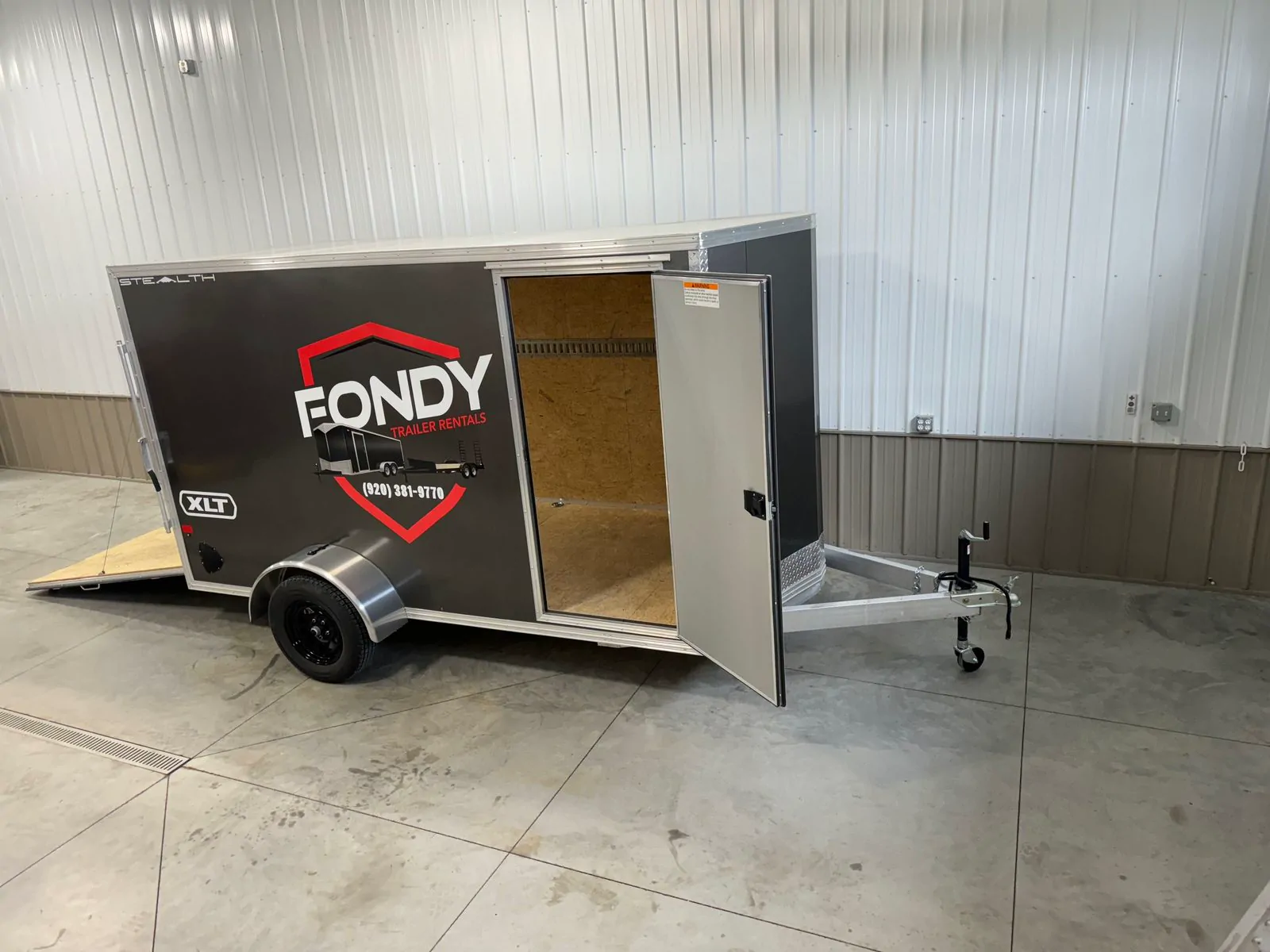
Why a fridge objects to being laid down
A refrigerator’s compressor sits in an oil bath. Lay the unit over and that oil migrates into the refrigerant lines, where it is not supposed to be. Stand it up again and the oil drains back, but slowly.
Switch it on before the oil has returned and the compressor runs starved while pushing oil through lines designed for gas. That is how a fridge arrives working and dies the following week, and it is why the standing time is not an old wives’ tale.
The rule
However long the fridge spent on its side, let it stand upright for at least that long before plugging it in. Overnight is the safe default for any move where it was laid down at all. If it travelled upright the whole way, a couple of hours is plenty.
Which side, if you must
If laying it down is unavoidable, lay it on the side opposite the compressor lines where possible. Look at the back: the tubing runs predominantly to one side. Putting that side uppermost reduces how much oil migrates.
Never lay a fridge on its back or its front. The back carries the condenser coils and the compressor mount, and the front is the door seal and hinges. Both will take damage that the sides will not.
Preparing a refrigerator, in order
- Empty it, two days before. Run down the contents rather than moving food
- Unplug it 24 hours ahead so it defrosts fully and the compressor cools
- Defrost and dry completely. Meltwater in the base pan will slosh out across your trailer deck, and in winter it freezes
- Disconnect the water line if it has an ice maker, and drain it. This is the step most often forgotten and it leaks in transit
- Tape the doors shut with proper moving tape, not duct tape, which leaves residue on the finish
- Tape the cord to the back so it cannot catch
- Remove or secure the shelves. Glass shelves slide and break
Washers are the one with a hidden trap
A washing machine drum hangs on springs and dampers. Moved untethered, that drum swings and can damage the suspension, the outer tub or the bearings.
Front loaders ship from the factory with transit bolts through the rear panel that lock the drum. If you still have them, fit them. If you do not, pack the drum tightly with towels and blankets so it cannot move, and keep the machine upright throughout.
- Turn off and disconnect both water supplies, then drain the hoses into a bucket
- Run a short spin cycle beforehand to clear residual water from the pump
- Drain the filter at the bottom front, which holds more water than you expect
- Tape the door shut and the hoses to the back
Ranges, dryers and dishwashers
Gas ranges
The gas line must be disconnected by someone competent to do it and capped properly. This is not a DIY step to improvise. Once disconnected, tape the burner grates and the oven racks, or remove them entirely.
Electric ranges and dryers
Both typically use a 240V cord that unplugs. Tape the cord to the back. On a dryer, disconnect and keep the vent hose, and check whether the drum needs padding: most do not, but some lightweight models benefit.
Dishwashers
Water line, drain line and power, usually hard-wired or plugged under the sink. Drain the sump before moving. A dishwasher carried on its side will dump residual water through the door seal.
Getting them out of the house
An appliance dolly with a strap is the single most useful tool here, and it is worth hiring one for the day if you do not own one. A standard hand truck without a strap will drop a fridge on the stairs.
- Measure the doorways first, including the fridge depth with the doors on. Some doors have to come off, which is fifteen minutes with a socket set
- Protect the floor. Appliance feet and dolly wheels mark hardwood and vinyl
- Two people on stairs, always, with the heavier person below
- Keep it upright throughout if the route allows it
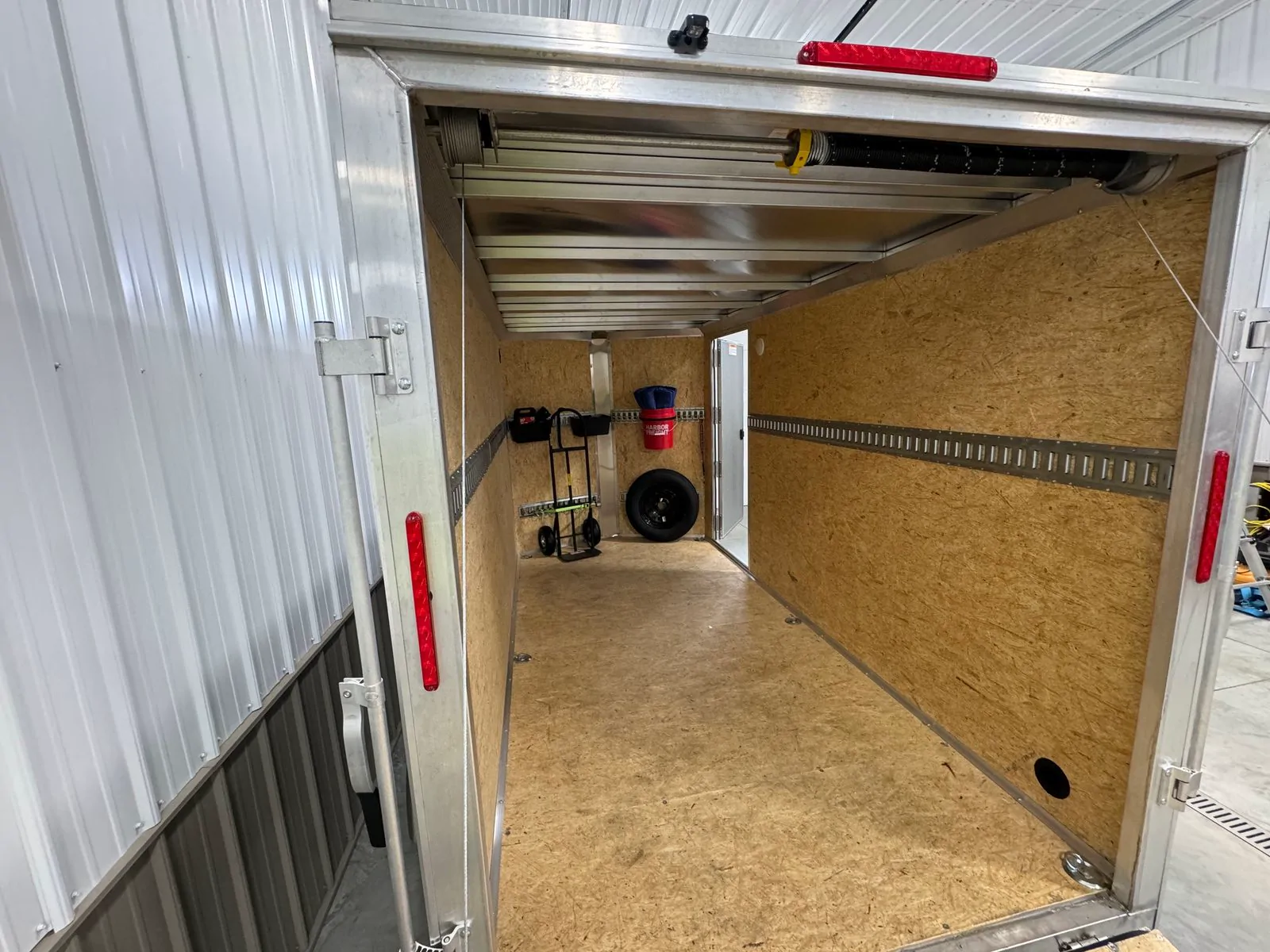
Loading and securing on the trailer
This is where the enclosed trailers earn their rate. An 6' x 12' enclosed trailer or 7.5' x 16' enclosed trailer has walls to strap against and e-track to strap to, which is what lets an appliance travel upright.
- Against the front wall, upright, is the best position. It puts weight forward where it belongs and gives you a wall to brace against
- Strap across the body, not around the doors or handles
- Pad the strap where it crosses an edge, because ratchets mark painted steel
- Blanket between appliances if more than one is travelling
- Do not stack anything on top of a fridge or washer. The tops are not structural
An open trailer can work for a short local move in dry weather, but appliance finishes mark easily from road debris and a sudden Wisconsin shower will leave water in places you cannot dry. For anything beyond a few miles, enclosed is the right call. The comparison is in enclosed versus open trailers.
Which trailer
| What you are moving | Trailer | From |
|---|---|---|
| One appliance, short local trip | 6' x 12' utility trailer in dry weather | $40 |
| One or two appliances | 6' x 12' enclosed trailer | $55 |
| A full kitchen, or appliances plus furniture | 7.5' x 16' enclosed trailer | $95 |
| A whole house including appliances | 8.5' x 24' enclosed car hauler | $120 |
At the other end
Set the fridge in place, level it on its feet, and wait. Resist plugging it in to check it works, because that is exactly the test that damages it. Use the standing time to reconnect the water line and let the lines settle.
On a washer, remove the transit bolts before the first cycle. Leaving them in is as damaging as not fitting them, because the drum cannot move at all and the machine will hammer itself. Run an empty cycle first and watch for leaks at both hose connections.
What usually goes wrong
- Plugging the fridge in too soon. The most common and most expensive mistake
- Forgetting the ice maker water line, which drips across the trailer and the new floor
- Moving a front loader without securing the drum, which damages the suspension invisibly
- Laying appliances flat to fit more in, which trades a few feet of deck space for a repair bill
- Strapping over a door rather than the body, which bends hinges
Hiring it out instead
Appliance movers charge per item and the figure climbs quickly for stairs or awkward access. For a single fridge across town with two capable people, a $55 trailer rental and an afternoon is far cheaper.
The calculation changes with stairs. A fridge down a flight of basement steps is genuinely dangerous without the right equipment and experience, and that is a reasonable place to pay someone.
The short version
Measuring before you lift anything
Appliances are sized to fit through standard openings, but only just, and only when nothing is in the way. The measurement that catches people is not the doorway width but the diagonal through a turn.
- Measure the appliance at its widest, including handles, which on a fridge can add three inches each side
- Measure every doorway on the route, and the narrowest point of each turn
- Check the depth of landings on a staircase. A fridge needs room to pivot at a turn, and a short landing is where moves stop
- Count the steps and note which direction they turn, because that decides how many people you need
If the appliance is within an inch of a doorway, take the door off its hinges. Three screws and fifteen minutes buys three inches of clearance, and it is far easier than discovering the problem with 300 lbs balanced on a dolly.
Refrigerator doors come off too
Most fridge doors are removable, and on a tight route it is the difference between a straightforward move and a damaged frame. The hinge caps lift off, the hinge bolts come out with a socket, and the door lifts clear.
Two cautions. On a French-door or any model with a through-door water or ice supply, there is a water line and a wiring harness running through the hinge, and both need disconnecting carefully rather than pulling. And keep the hinge hardware in a labelled bag taped to the appliance, because those bolts are not generic and sourcing replacements is genuinely difficult.
Stacking and loading order inside the trailer
The order appliances go in determines whether anything is damaged in transit.
- Heaviest first, against the front wall. That is weight where it belongs for towing and the most stable position
- Upright, strapped to the wall, each item independently. Strapping two appliances together means one falling takes the other with it
- Blankets between every face that touches another, including between an appliance and the trailer wall
- Boxes behind, not on top. The top panel of a washer or fridge is thin sheet and will dent under weight
A common error is filling the fridge with boxes to save space. The shelves are not load-bearing, the door seal takes the weight when it shifts, and you have made the heaviest item in the load heavier still.
If something does get damaged
Check appliances before the trailer goes back, not a week later. Dents in sheet metal are obvious; compressor damage is not, and a fridge that was laid down and switched on too early will seem fine for several days before failing.
This is also where the insurance question matters, because cargo inside a trailer is generally not covered by your auto policy. Whether a damaged appliance is covered at all is usually a homeowner or renter policy question, and the answer is frequently no for goods in transit. The detail is in the trailer rental insurance guide.
Empty and defrost the fridge two days out, disconnect the water line, tape the doors, and move it upright. If it has to lie down, let it stand as long afterwards before switching on. Secure a washer drum. Strap everything upright against a wall inside an enclosed trailer, pad the straps, and never stack on top.
To check which trailer suits what you are moving, text (920) 381-9770.
Keep Reading
- How to Move a Piano — moving a piano