Wisconsin spring hits differently. After months of snow, ice, and short dark days, the first weekend the ground thaws and the temperature cracks 45 degrees, everyone heads outside and looks at their yard — and realizes it's a disaster. Fallen branches from ice storms, matted leaves that blew in from the neighbors, dead annuals never pulled in October, old fence boards from a project that didn't get finished, and a pile of gravel that needs to go somewhere useful. This is a dump trailer situation.
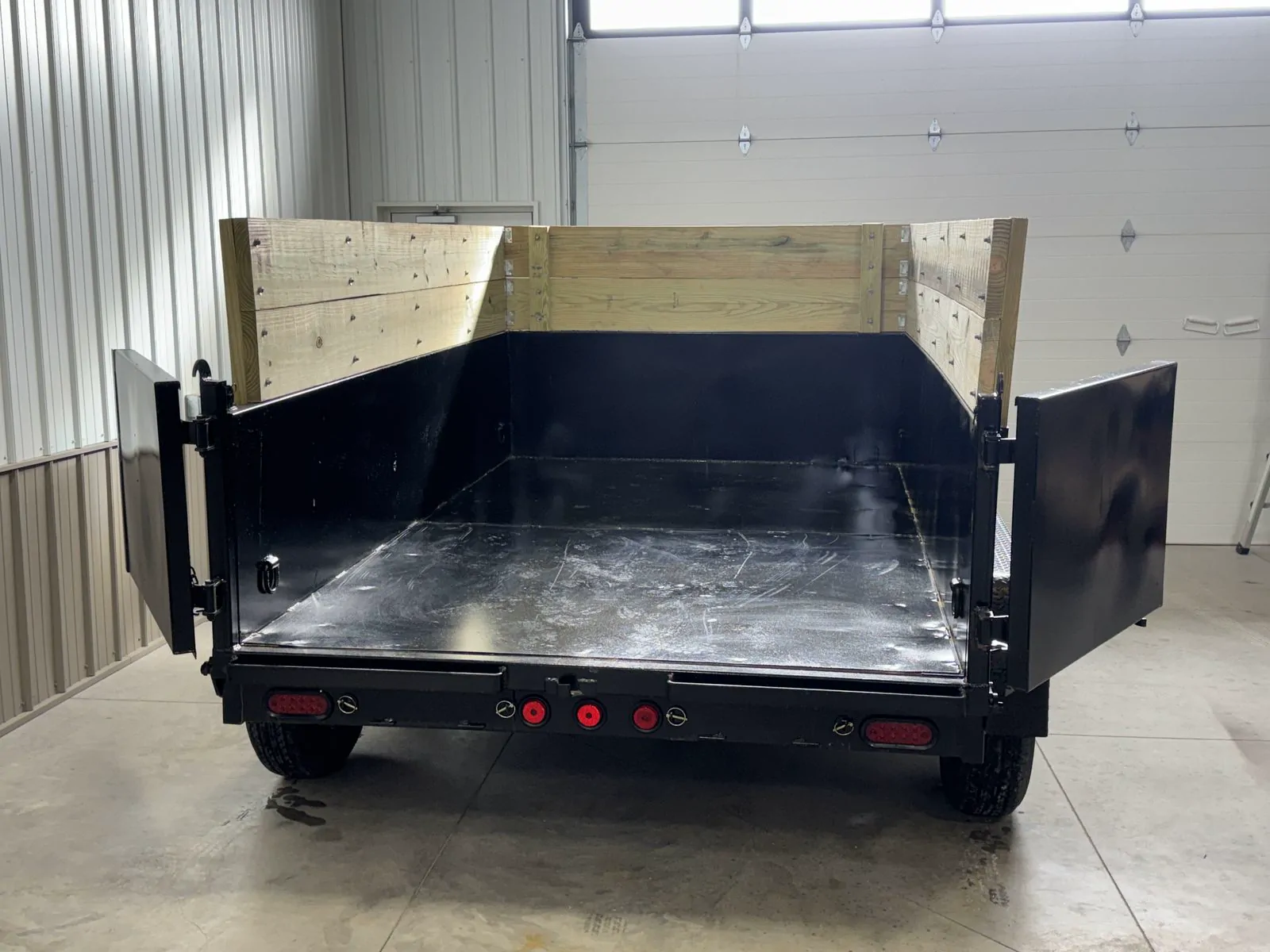
The trailer for this job: Dump Trailer — 6' x 10' · remote dump. Text Nick at (920) 381-9770 to check a date.
When Does Spring Cleanup Actually Start in Fond du Lac County?
The practical cleanup window in FDL County typically opens in late March to mid-April, depending on the year. Ground frost usually breaks around the end of March in average years, but some years it's early April before the yard is workable without making ruts. Key timing notes:
- Late March — Ground still frozen at depth, but surface is workable. Good for picking up sticks and debris before soil disturbance.
- Early-mid April — Soil is thawed and soft. Be careful with heavy equipment or machinery that can rut wet turf.
- Late April–May — Prime cleanup and landscaping window. Ground is firmed up, frost risk is minimal, and weather is cooperative.
The dump trailer is in highest demand from mid-April through Memorial Day weekend. Book early — this is our most-rented trailer of the year during this window.
Book your spring cleanup dump trailer now. April and May weekends book out weeks in advance. Text Nick at (920) 381-9770 to get on the calendar before the spring rush hits.
What to Haul in Spring — And What Order to Tackle It
A smart spring cleanup follows a logical sequence that maximizes what you can accomplish in a single trailer day.
Phase 1: Sticks, Branches, and Storm Debris
Wisconsin winters are hard on trees. Ice storms, heavy snow, and high winds drop branches — some small, some substantial. Start by collecting all fallen limbs and sticks across the yard before you run any lawn equipment. Sticks through a mower deck is an expensive mistake.
For light branches and sticks: rake and pile, then use a pitchfork or your hands to load the dump trailer. Branches under 4 inches in diameter and 10 feet in length are typically accepted at Fond du Lac County brush drop-off sites. Larger logs typically need to be cut to accepted lengths before disposal.
Phase 2: Dead Leaves and Organic Debris
Matted leaf piles that spent the winter wet and compressed are heavy and messy. A hard rake loosens them; a leaf blower pushes them into consolidated piles. Load directly into the dump trailer — the high sides contain the light, blowing material better than an open flatbed. When you arrive at the county composting site, the hydraulic dump handles this load easily since wet leaves are heavy.
Phase 3: Dead Plant Material and Garden Cleanup
Perennials that weren't cut back in fall, dead ornamental grasses, old tomato cages still surrounded by the previous year's vines, and garden bed edging that needs to come out — all of this goes in the dump trailer. Most organic plant material is accepted at yard waste facilities. Remove any synthetic netting, wire cages, or plastic stakes before loading.
Phase 4: Old Gravel, Landscape Rock, and Sod Removal
Replacing an old driveway apron, pulling up a gravel path that's being converted to pavers, or removing gravel that's spread into the lawn over winter — this is the heavy work. Gravel and landscape rock are dense materials. A cubic yard of wet gravel weighs approximately 3,200 lbs. Load conservatively, know your trailer's payload limit, and make two trips if necessary rather than overloading.
Old sod removal — whether you're converting a lawn section to garden beds or redoing a damaged patch — generates significant weight. A 10x20-foot sod removal produces roughly 800-1,200 lbs of material depending on depth and moisture content.
Phase 5: Old Lumber, Junk, and Miscellaneous Debris
The deck boards from the demo last fall. The old fence sections. The pile of broken concrete stepping stones. Old lumber goes to the Fond du Lac County landfill or to transfer stations that accept construction debris. Confirm accepted materials before you go — some sites have restrictions on treated lumber, painted wood, or mixed loads.
How Many Loads Does a Typical Cleanup Take?
This varies enormously by property size and the severity of winter damage, but some rough estimates:
- 1/4-acre urban lot (FDL city neighborhood): Usually 1 load for spring debris, 1 additional load if doing any significant landscaping removal
- 1/2-acre suburban lot: Typically 1-2 loads for spring cleanup debris plus any project material
- 1+ acre rural or semi-rural property: Plan for 2-3 loads minimum; rural properties often have more trees, more debris accumulation, and larger cleanup scope
If you're not sure, overestimate. Returning the trailer with a half-used capacity is fine. Getting partway through the job and running out of load capacity mid-weekend is frustrating.
Dump Sites in Fond du Lac County
Know where you're going before you load. Options in the area include:
- Fond du Lac County Solid Waste Facility — The primary option for mixed debris, brush, and yard waste. Hours and accepted materials vary by season; confirm before your first trip.
- City of Fond du Lac leaf and brush collection — The city has seasonal curbside collection and drop-off events for yard waste. Check the city's public works schedule for spring collection dates.
- Private transfer stations — For construction debris, mixed loads, and materials the county facility doesn't accept, private transfer stations operate in the region. Fees typically apply.
- Compost sites — Some municipalities and counties accept clean organic material (no treated wood, no plastic) at reduced or no cost for composting.
Always call ahead to confirm hours and accepted materials. Spring season changes affect operating schedules.
Pricing Breakdown for a Spring Cleanup Day
Here's how a typical spring dump trailer day pencils out for a Fond du Lac County homeowner:
- Trailer rental (full day): Text Nick for current day rate — contact is (920) 381-9770
- County dump fees: Varies by load type and weight; yard waste is typically low-cost or free for county residents
- Fuel: Minimal — you're driving within the county
- Total vs. alternatives: A junk removal service for comparable volume runs $300-600+ in Fond du Lac County. A dump trailer day is significantly less expensive when you do the work yourself.
Spring Cleanup Tips for Wisconsin Properties
- Wait for the ground to firm up before driving heavy loads near the lawn. Wet spring turf ruts deeply under loaded trailer wheels and truck tires. Position the trailer on the driveway or a hardened surface when possible.
- Don't burn brush. Fond du Lac County and city ordinances restrict open burning. Check current rules — fines for illegal burning apply. The dump trailer is the legal, convenient alternative.
- Separate materials by type before hauling. Mixed loads sometimes cost more at disposal sites or aren't accepted. Separate brush from rock from construction debris to keep disposal simple and cheap.
- Start early on your cleanup day. Dump sites often have long lines on spring weekends, especially in April. Arrive when they open if you need to make multiple trips.
Frequently Asked Questions
Why use a dump trailer for spring cleanup?
Because the unloading is the slow part. Winter debris, old mulch, branches and sod all tip off in one go instead of being forked out by hand.
How long do I need it for?
Most spring cleanups are a 4-hour or 24-hour rental. The dump trailer starts at $100 for 4 hours.
Can I make more than one trip?
No. There are no mileage limits on any rental. You pay for the time, not the distance, and the only restriction is that the trailer stays inside the United States.
Do I need a brake controller?
The car hauler, utility trailer, dump trailer and gooseneck all require a brake controller. If your vehicle does not have one, we rent a Bluetooth controller.